
In the janitorial industry, client complaints are inevitable. A missed trash can, streaky windows, or a communication gap can happen even in well-run operations. The difference between businesses that thrive and those that struggle often comes down to how they handle these complaints before they escalate into cancellations.
Respond Immediately, Even If You Don’t Have All the Answers
When a client reaches out with a complaint, acknowledge it within hours, not days. A simple “Thank you for letting us know—we’re looking into this right now” shows respect for their time and concern. Clients who feel ignored are far more likely to start shopping for your replacement. Even if you need time to investigate or gather details from your crew, that initial response buys you goodwill and keeps the relationship intact while you work on a solution.
Document Everything and Establish a Paper Trail
Every complaint should be logged with the date, client name, specific issue, and your response. This documentation serves multiple purposes: it helps you spot patterns (perhaps one site consistently has issues on Friday nights), protects you if a client later disputes what was discussed, and provides training material for your team. Whether you use a simple spreadsheet or a more sophisticated system, the key is consistency. Make it a non-negotiable part of your complaint process.
Turn Problems Into Opportunities for Transparency
When something goes wrong, show your client exactly how you’re fixing it. If a crew member missed a section of the building, send a photo once it’s been corrected. If the issue was a scheduling mix-up, walk them through the steps you’ve taken to prevent a recurrence. This level of transparency transforms a complaint from a relationship liability into a trust-building moment. Clients remember companies that own their mistakes and prove they’ve learned from them.
Empower Your Crew to Surface Issues First
The best complaint is the one that never reaches your client. Train your team to flag potential problems immediately—a spill they couldn’t fully remove, equipment that malfunctioned, or a door they found unlocked. When your crew reports issues before the client notices them, you control the narrative and can often resolve the situation proactively. This requires building a culture where employees feel safe reporting mistakes without fear of punishment.
Follow Up After Resolution
Once you’ve addressed a complaint, circle back within a week to confirm the client is satisfied. This follow-up accomplishes two things: it ensures the problem is truly solved, and it demonstrates that their satisfaction matters beyond just keeping their business. A brief email or phone call asking “Have our adjustments addressed your concerns?” can be the difference between a client who stays and one who’s already taking calls from your competitors.
Create Feedback Loops That Prevent Future Complaints
Use resolved complaints to improve your standard operating procedures. If three different clients complained about the same issue this quarter, that’s not a coincidence—it’s a systemic gap in your process. Regular analysis of complaint patterns should inform crew training, shift checklists, and quality control measures. The goal isn’t to eliminate all complaints, which is unrealistic, but to avoid repeating the same mistakes.
Make It Easy for Clients to Reach You
Complaints fester when clients don’t have a clear channel to voice them. Whether it’s a dedicated phone line, email address, or client portal, provide multiple easy ways for clients to get in touch. Some clients prefer text, others email, and some will only call. The more friction you add to the complaint process, the more likely small issues become built-up frustration that eventually leads to cancellation.
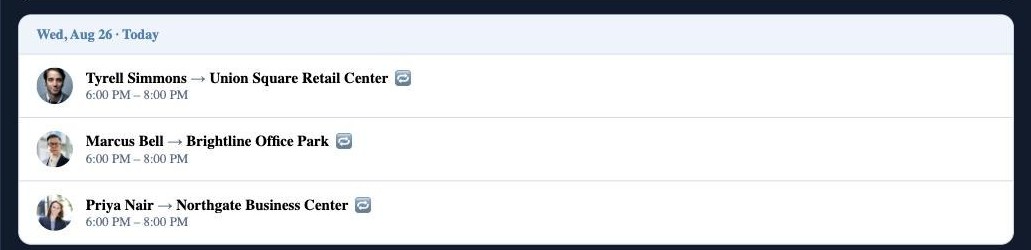
Modern tools can help streamline this communication and documentation process. CustodialView, for instance, provides a real-time client portal where clients can communicate directly with your team, view photo check-ins from each shift, and see verification that work was completed—reducing complaints that stem from simple miscommunication about whether service occurred. While no software prevents all complaints, the right systems can help you catch and address issues before they reach the cancellation stage.
Handling complaints well isn’t just about damage control—it’s about building a reputation as a responsive, professional operation that stands behind its work. In an industry where trust and reliability are everything, that reputation becomes your greatest competitive advantage.